● Moles or skin tags can grow back if removal isn’t complete or healing is disrupted.
● Daily habits like sun protection, gentle skincare, and reducing friction lower recurrence risk.
● See a doctor if a mole or tag changes in colour, size, or shape.
You’ve crossed mole or skin tag removal off your list. But as the skin heals, another thought sets in: what if it comes back? It’s a common worry, and one that doesn’t have a simple yes-or-no answer.
Why does regrowth happen for some people and not others? Can your daily habits make a difference? And when should you be concerned enough to see a doctor? Read on to find out.
Recurrence after a mole removal or skin tag removal doesn’t always mean the procedure failed. Here’s what’s really happening beneath the surface.
1. The Removal Wasn’t Complete
Moles often extend deeper than they appear on the surface. If pigment-producing cells remain under the skin, the mole may grow back. Similarly, skin tags may return if the stalk is not completely removed.
Why the Method of Mole or Skin Tag Removal Matters
● Cryotherapy (Freezing): Works well for small tags, but may not always reach deeper tissue, which increases the chance of regrowth. Rarely performed nowadays.
● Shave Excision: Trims growth to skin level. Useful for raised lesions, but deeper mole roots may remain.
● Topical Treatments: Over-the-counter creams act only on surface layers. Most don’t reach deep enough to fully remove the base. Typically doesn’t work at all.
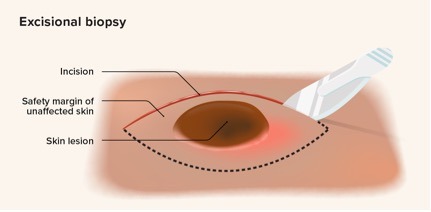
● Surgical Excision: Removes the entire lesion, including a margin of healthy skin, which reduces the chance of recurrence. Often chosen for larger or deeper moles. Very low recurrence rate, small linear scar.
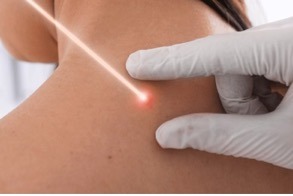
● Laser Mole Removal: An ablative CO2 laser precisely vaporises mole tissue, leaving normal tissue behind. Suitable for smaller, flat moles. Generally good cosmetic outcome. Low recurrence rate, small round scar.
Surgical mole removal Singapore
Laser mole removal Singapore
2. Your Skin Has Its Own Biological Tendencies
If your parents or siblings tend to have moles, skin tags, or benign skin growths, you may develop them more easily.
Periods of hormonal fluctuation — such as puberty, pregnancy, or menopause— can also stimulate melanocytes (pigment-producing cells) and fibroblasts (cells that form connective tissue), leading to new or recurrent growths.
Certain medications or medical conditions that affect hormone levels, like polycystic ovary syndrome (PCOS) or thyroid disorders, can also contribute.
Genetics and hormones aren’t within your control, but how you manage them is.Book a review with us to explore treatments tailored to your skin.
3. Environmental and Lifestyle Triggers Matter
What you do after mole or skin tag removal can affect whether it comes back or how your skin heals in that area. This includes both external irritation and environmental exposure.
● Friction from tight clothing, straps, or repetitive motion (like shaving or rubbing) can irritate the skin and reopen healing tissue.
● Picking or scratching at the healing site can interfere with proper wound closure.
● Sun exposure can stimulate residual melanocytes in the skin, especially if the mole was not fully removed.
Healing also varies per person. Some people develop post-inflammatory hyperpigmentationor hypertrophic scars, or keloid scars. These can look like a mole or skin tag growing back, but they’re usually part of the normal healing process. In others, lingering inflammation may overstimulate skin cells, leading to unpredictable changes at the treatment site.
Daily Habits That Influence Recurrence
Your daily habits can shape how your skin heals and whether lesions return after the procedure.
Skin Care Routines
Harsh exfoliation or strong active ingredients can interfere with your skin’s repair process. Recently treated areas are especially sensitive, and products such as alpha-hydroxy acids (AHAs), retinoids, or physical scrubs may be too aggressive during healing after a mole or skin tag removal.
Over-exfoliation can also create micro-injuries, prolong inflammation, and in some cases trigger reactive hyperplasia, which is an overgrowth of skin cells that looks similar to the original lesion.
A gentler routine supports recovery:
● Use a pH-balanced, fragrance-free cleanser that won’t strip the skin barrier.
● Rinse with lukewarm water and pat the area dry instead of rubbing.
● Avoid heavy occlusive creams unless your doctor recommends them.
Immune and Skin Resilience
Your immune system drives tissue repair and regulates inflammation. When it’s under strain — from stress, illness, or fatigue — your skin may heal more slowly or less predictably.
Here’s how you can support your immune system and skin resilience:
● Sleep: Deep rest is when your body carries out its most intensive repair. Poor sleep hygiene raises inflammatory markers, slows wound healing, and disrupts collagen formation.
● Nutrition: Micronutrients such as vitamins A, C, and E, zinc, and protein are vital for wound repair, collagen synthesis, and immune defence. Diets low in fruits, vegetables, and healthy fats can weaken skin regeneration.
● Stress: Chronic stress increases cortisol, which slows skin turnover, impairs the barrier, and reduces immune function. The result: more inflammation, slower healing, and a higher chance of lesions returning if you’re predisposed.
Can Recurrence Be Prevented?
The best way to reduce the chance of a mole or skin tag coming back after getting them removed is to have them assessed and removed by a qualified doctor.
Professional treatment ensures the right method is chosen — whether that’s surgical excision, cautery, or a laser mole removal — and that aftercare is tailored to your skin type.
When to Re-Visit the Doctor
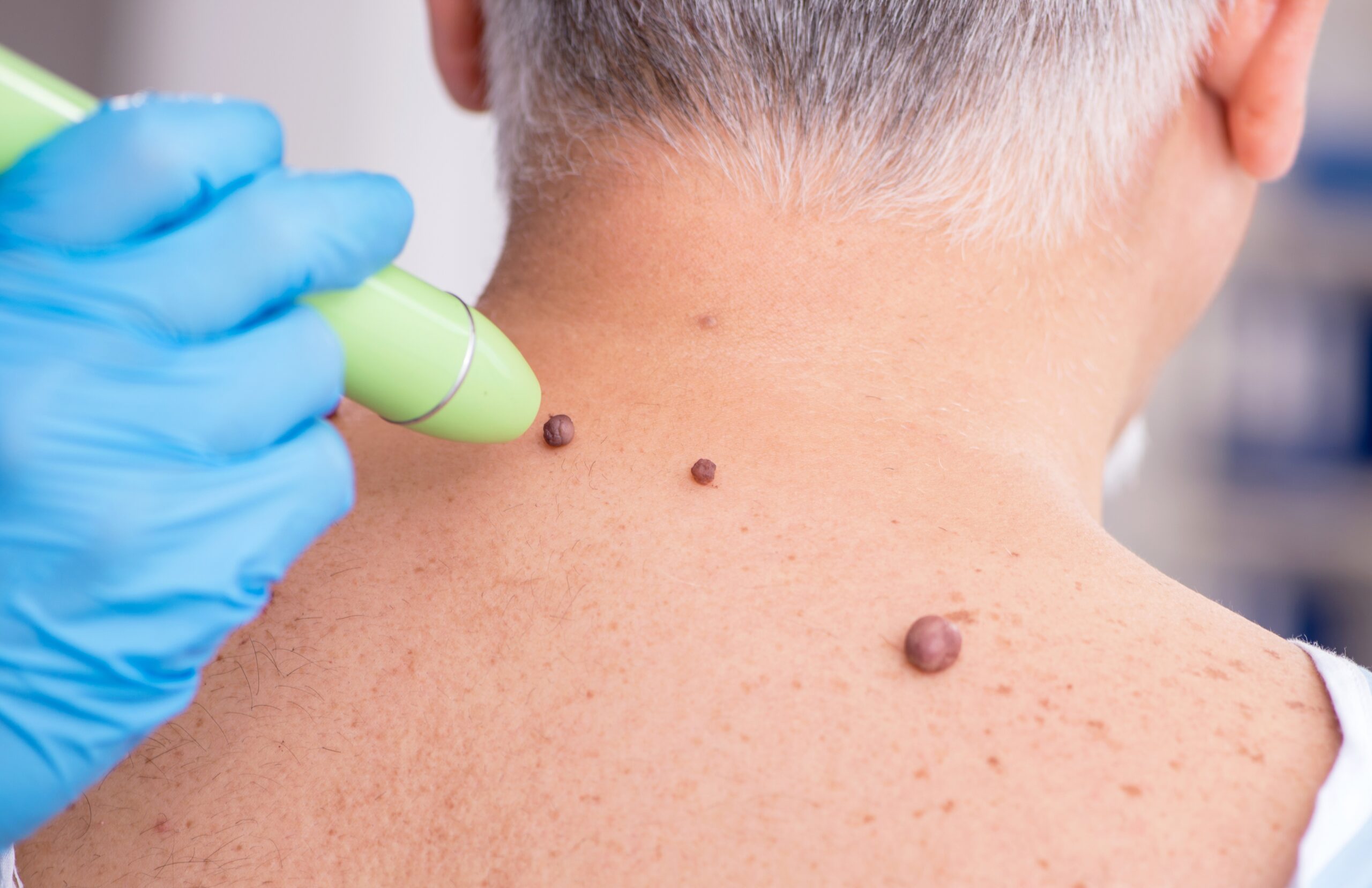
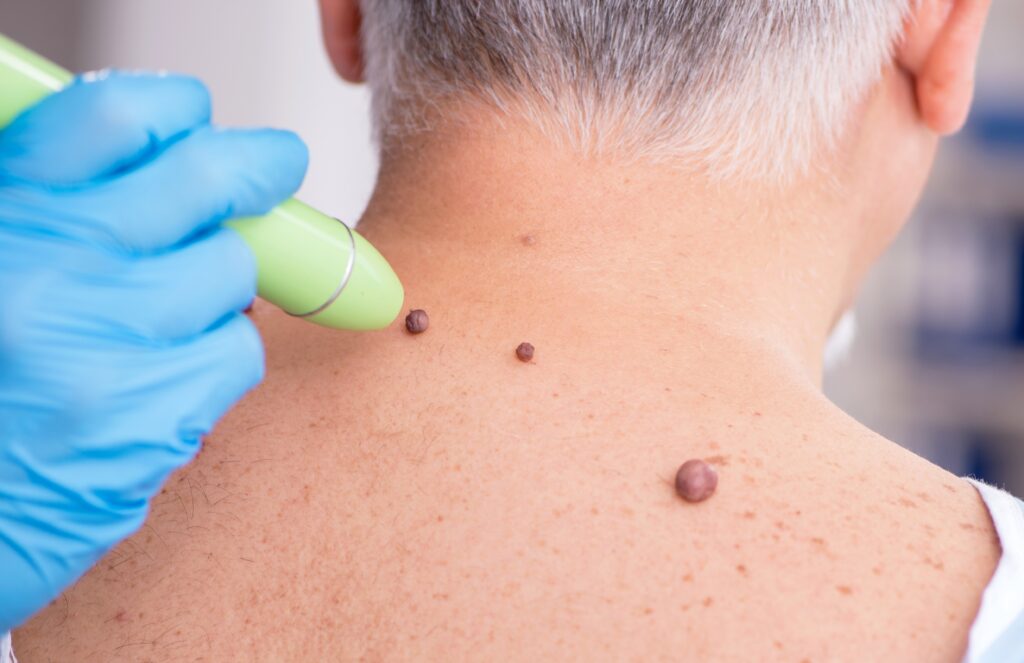
Not every change means your mole or skin tag has returned. A regrown lesion usually appears in the same spot, while new ones can form elsewhere. Sometimes, what looks like recurrence is pigmentation or scarring from the healing process.
Still, there are red flags you shouldn’t ignore:
● A mole changing colour, especially becoming darker or uneven in tone.
● Noticeable changes in size or shape.
● Irregular or jagged borders.
● Itching, bleeding, or crusting.
You can take photos to track changes and schedule check-ups with your doctor to spot issues early.
Mole and skin tag removal at Bay Aesthetics Clinic
Living With Confidence After Removal
Mole and skin tag removal isn’t just about appearance. It often relieves everyday irritation from shaving, jewellery, or clothing, and helps you feel more at ease in your own skin.If you notice regrowth or new lesions, book a consultation with Bay Aesthetics Clinic. Our doctors will assess your skin and recommend the right treatment for you — from laser mole removal to surgical excision.
FAQs on Moles or Skin Tags Recurring After Removal
Why do skin tags come back after removal?
Skin tags can return if the stalk isn’t completely removed or if new ones form in high-friction areas like the neck, armpits, or groin. Genetics, weight, and skin rubbing against clothing can also make you more prone to developing new tags.
How can I tell if it’s a skin tag or a mole?
Skin tags are soft, flesh-coloured flaps of skin that usually hang off the surface and appear in skin folds. Moles are typically round or oval spots that are flat or raised, and they contain pigment (brown, black, or tan).
Can a cancerous mole look like a skin tag?
In rare cases, a cancerous lesion can resemble a harmless skin tag. But if you notice these red flags — rapid growth, irregular borders, colour changes, bleeding, or pain — you should get it examined promptly. A doctor can confirm whether it’s a benign skin tag or something that needs further testing.
What happens when a mole or skin tag recurs?
Recurrence of a mole or skin tag usually requires a repeat procedure (eg repeat laser or surgical mole removal). At Bay Aesthetics Clinic, we will waive the fees of a second procedure if a mole or skin tag recurs within 3 months of the procedure, providing patients peace of mind.
With over 10 years of experience in aesthetic treatments, Dr Hoe Ying Min serves as the Medical Director at Bay Aesthetics Clinic. She has extensive hands-on experience in lasers, injectables, body-shaping and skin-rejuvenation procedures, and is known for her careful, personalised approach that aims for natural-looking outcomes.
Bay Aesthetics Clinic and Medical Spa is a doctor-led clinic located in the Marina Bay Financial Centre that delivers medical aesthetics and medispa treatments in a calm, professional setting. With a focus on safety, visible results and accessibility, the team uses only US FDA and approved technology, applies a holistic view to beauty and wellness, and avoids hard-selling or pressure tactics.
Open from 11 am daily (until 8 pm Mon-Fri; 6 pm Sat/Sun) and conveniently situated within walking distance of two MRT stations
Relevant articles
Helpful Links
Contact Us
B2-12 Marina Bay Link Mall, 8A Marina Boulevard, Marina Bay Financial Center, Singapore 018984